THE LEGACY
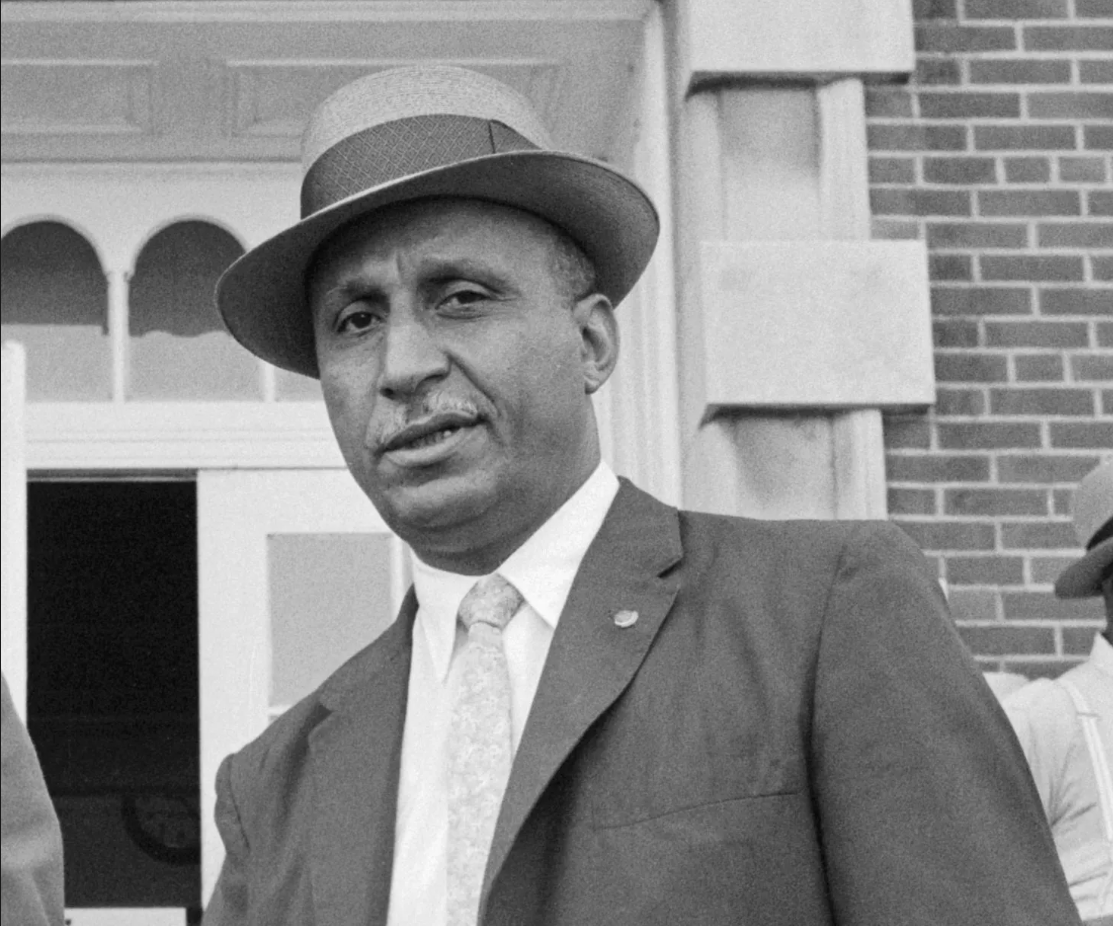
Oliver W. Hill
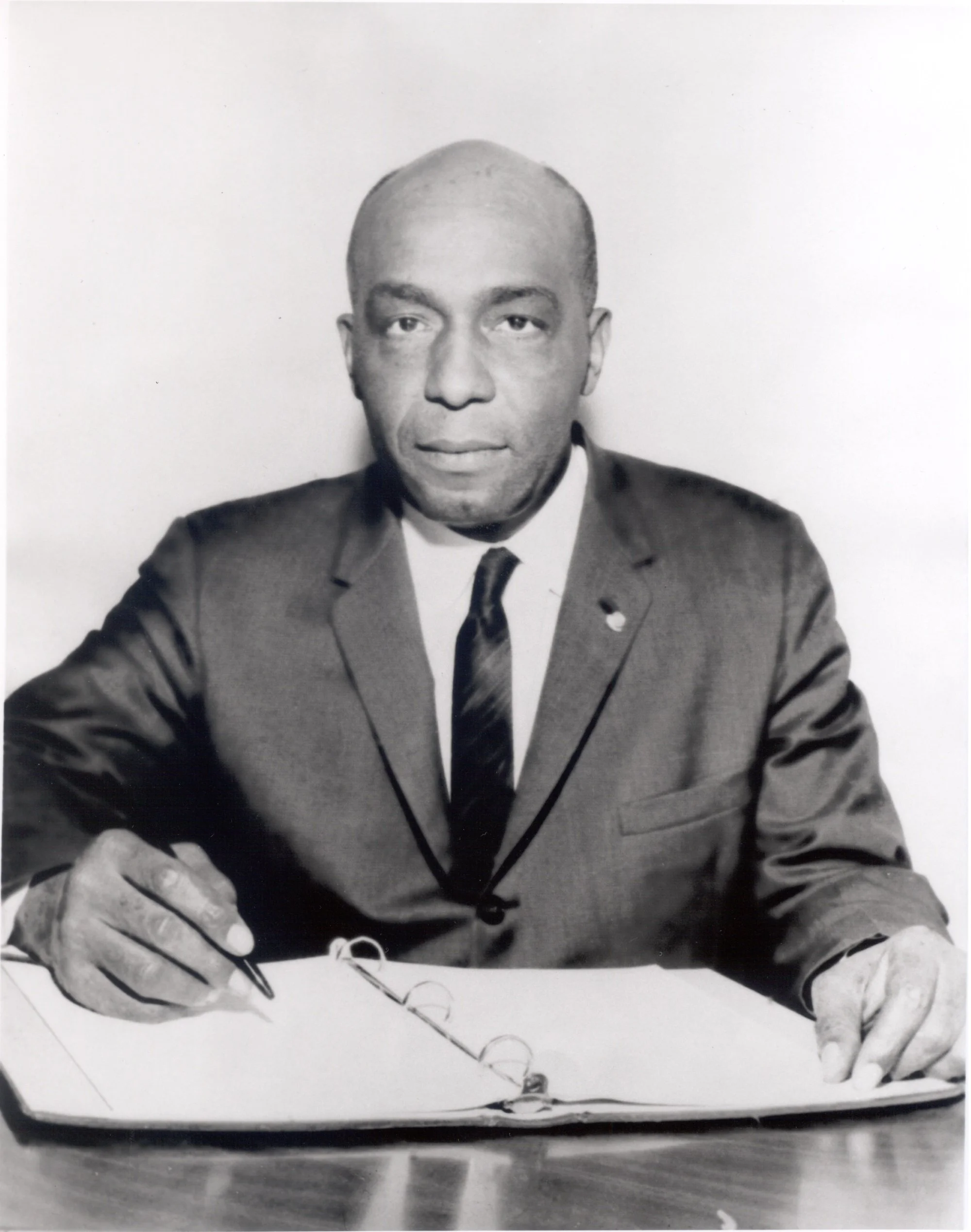
Samuel W. Tucker
OLIVER WHITE HILL was born in Richmond, Virginia in 1907. Hill was completing his undergraduate studies at Howard University when his uncle, a lawyer, died. Hill's aunt gave him her husband's law books. Hill said, "I read the Constitution and the 13th, 14th, and 15th amendments and realized that Congress had given us rights which the Supreme Court had taken away from us. I knew right then that I wanted to become a lawyer and end legalized segregation."
Under the tutelage of Charles Hamilton Houston, Dean of Howard Law School, Hill graduated in 1933, second only to his friend and classmate, Thurgood Marshall. Hill contributed to many landmark cases involving desegregation on buses and trains; free bus transportation for black public school children; the right of black citizens to serve on juries and participate in primary elections; and the desegregation of public assembly and of recreational facilities, among others.
Hill served as director of the Virginia chapter of the NAACP for twenty years. During this time, he and a team of thirteen other lawyers filed more civil rights cases in Virginia than were filed in any other Southern state. His most famous case, Davis v. Prince Edward County Schools, became part of Brown v. Board of Education.
In 1942 Hill founded the Old Dominion Bar Association. He became the first African American elected to Richmond City Council since the Reconstruction era in 1948. In 1952, President Truman appointed him to the Committee on Government Contract Compliance, an organization which monitored compliance with antidiscrimination clauses in federal government contracts. In 1961, Hill served President Kennedy in the Federal Housing administration promoting fair housing practices. He returned to private practice in 1966, and at age 91, Hill retired from his Richmond law firm, Hill, Tucker and Marsh, after practicing law for nearly sixty years. He is the recipient of numerous awards for his civil rights advocacy and his work as a lawyer, including the Presidential Medal of Freedom in 1999. and the NAACP Spingarn Medal in 2005.
Oliver Hill, Sr. l passed away in 2007 at the age of 100.
SAMUEL WILBERT TUCKER was born in 1913 and spent his early years in the Alexandria area. After earning a B.A. from Howard University in 1933, and was admitted to the Virginia bar a year later. In August 1939 he organized at the Alexandria Public Library one of the earliest sit-ins in the struggle for equal rights. He filed a lawsuit to end segregation there, but the city built a separate library for African Americans instead. After serving as a major with a segregated unit during World War II, Tucker relocated to Emporia, where he opened a law practice. By the mid-1960s he was a partner in the Richmond law firm of Hill, Tucker, and Marsh, which specialized in civil rights cases. As the Virginia NAACP's (National Association for the Advancement of Colored People) lead attorney for decades, Tucker tried scores of discrimination and segregation cases related to schools, teacher pay, and jury selection before local, state, and federal courts.
Tucker sat on legal teams that litigated to reopen Prince Edward County's public schools when they closed rather than desegregate after Brown v. Board of Education (1954), as well as to end tuition subsidies for white students to attend private academies. He argued the landmark case Green v. New Kent County School Board, in which the U.S. Supreme Court ruled in 1968 that local school boards must immediately implement desegregation strategies. Tucker's continual battles for equal justice led to an unsuccessful attempt by white lawyers to disbar him early in the 1960s. He later received many accolades for his work, including a lifetime service award from the Virginia Commission on Women and Minorities in the Legal System.
Samuel Wilbert Tucker died on October 20, 1990.